
Understanding Core Beliefs — How the Stories We Tell Ourselves Shape Our Lives
Updated: Dec 28, 2025
Core beliefs are the deeply held ideas we carry about ourselves, other people, and the world around us. Most of the time, we aren’t fully aware of them, they operate quietly in the background, shaping how we interpret experiences, make decisions, and respond emotionally.
These beliefs often develop early in life: through family dynamics, school experiences, cultural messages, trauma, or moments that shaped our sense of identity. Some core beliefs help us grow and feel confident, such as “I am capable” or “People can be trusted.” But others, especially those formed during painful or difficult times, can become limiting and self-critical.
Understanding your core beliefs is one of the most powerful steps toward meaningful, lasting personal change. By exploring the stories you tell yourself, you begin to understand why you think, feel, and react the way you do, and how you can gently reshape those patterns into something more supportive.
1. What Are Core Beliefs?
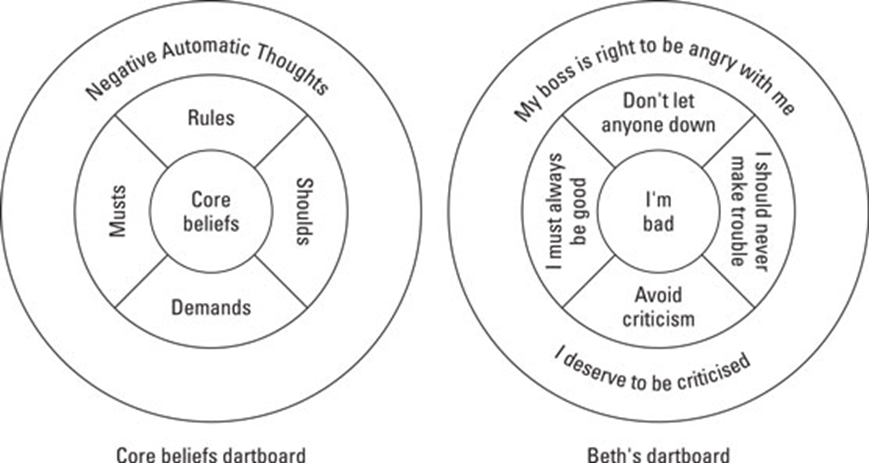
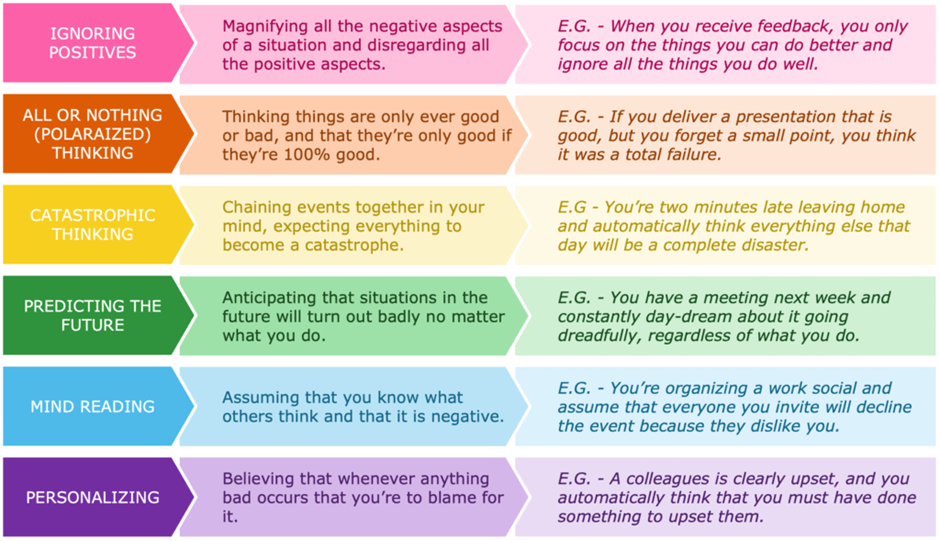
Core beliefs are the fundamental “truths” we assume about ourselves and the world. They form over time—often from repeated messages, childhood experiences, or moments that felt significant or defining.
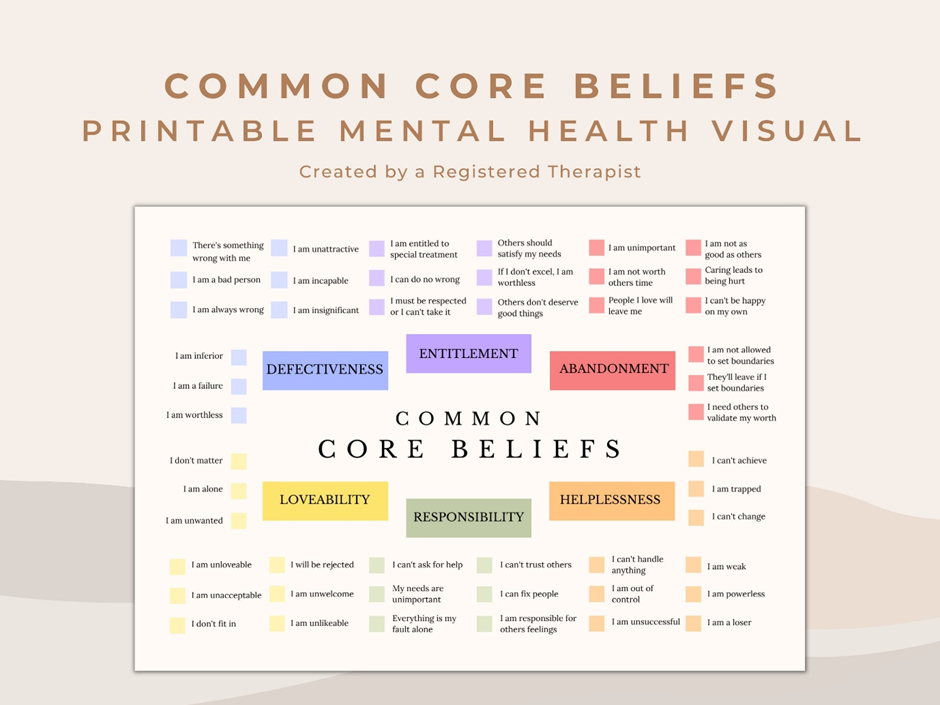
Some common themes include:
“I’m not good enough.”
“People will always leave me.”
“I have to be perfect to be accepted.”
“I can’t trust anyone.”
“I must handle everything on my own.”
“My needs don’t matter.”
“I’m too much.”
“I’m not worthy of love.”
These beliefs feel like facts because they have been reinforced for years—sometimes decades. Even when life improves, the old belief can remain, influencing how you see yourself and others.
Where do core beliefs come from?
They may develop from:
Childhood experiences
Family patterns or expectations
School or social pressures
Trauma or significant events
Relationships that shaped your self-worth
Cultural, societal, or religious influences
Core beliefs become mental shortcuts—quick ways the brain makes sense of life. But shortcuts aren’t always accurate or fair, especially when they’re built on old pain.
2. How Core Beliefs Influence Everyday Life

Because core beliefs sit beneath the surface, they can influence life in subtle yet powerful ways. They shape the lens through which you interpret situations—often without you even realising it.
For example:
If your belief is “I’m not worthy,”
you may dismiss compliments, stay quiet in conversations, or tolerate behaviour that hurts you.
If your belief is “People always leave,”
you might fear intimacy, overthink relationships, or pull away before others have the chance to.
If your belief is “The world isn’t safe,”
anxiety may become your constant companion, and relaxation may feel impossible.
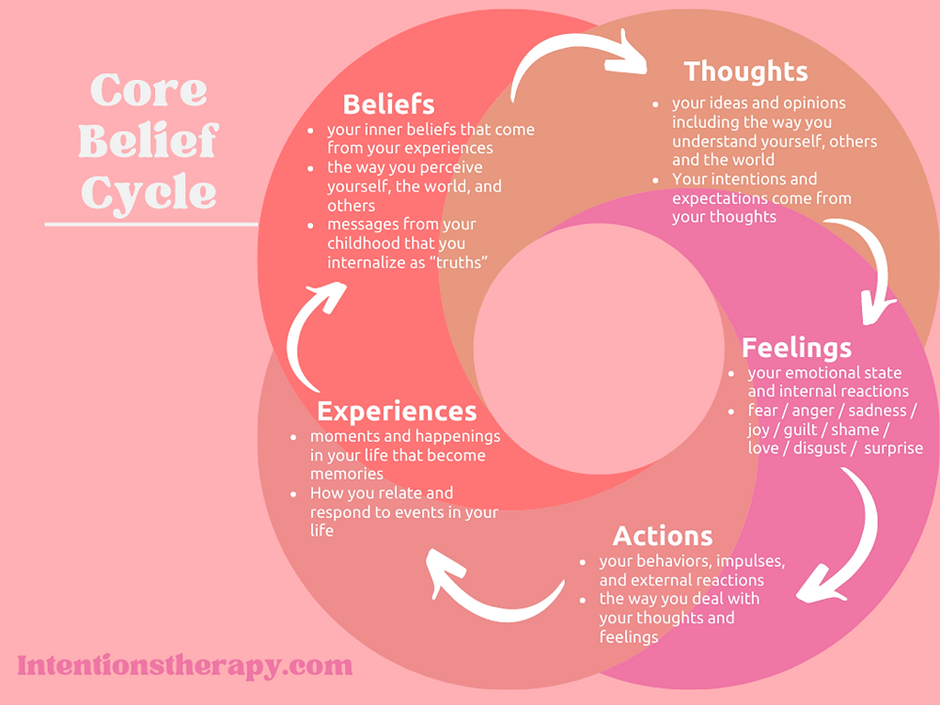
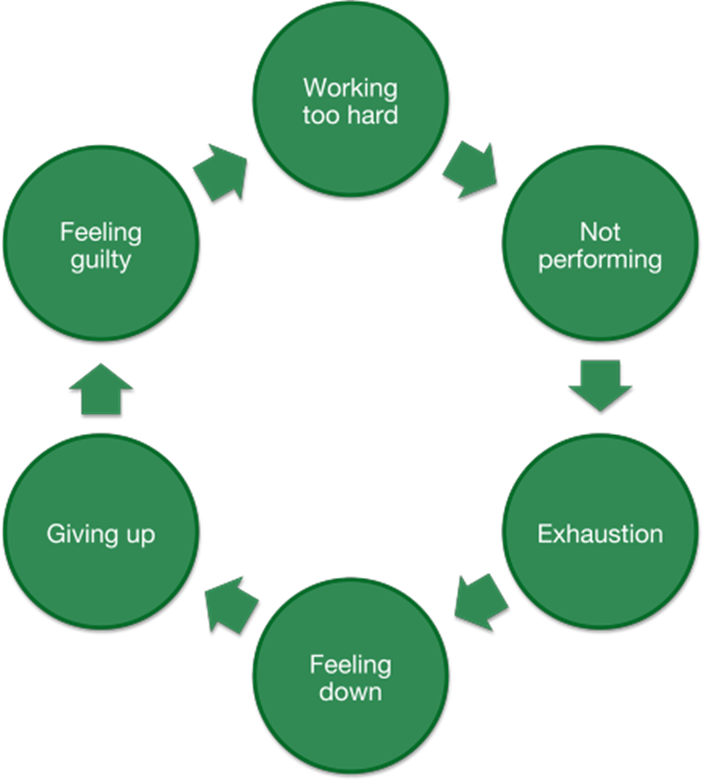
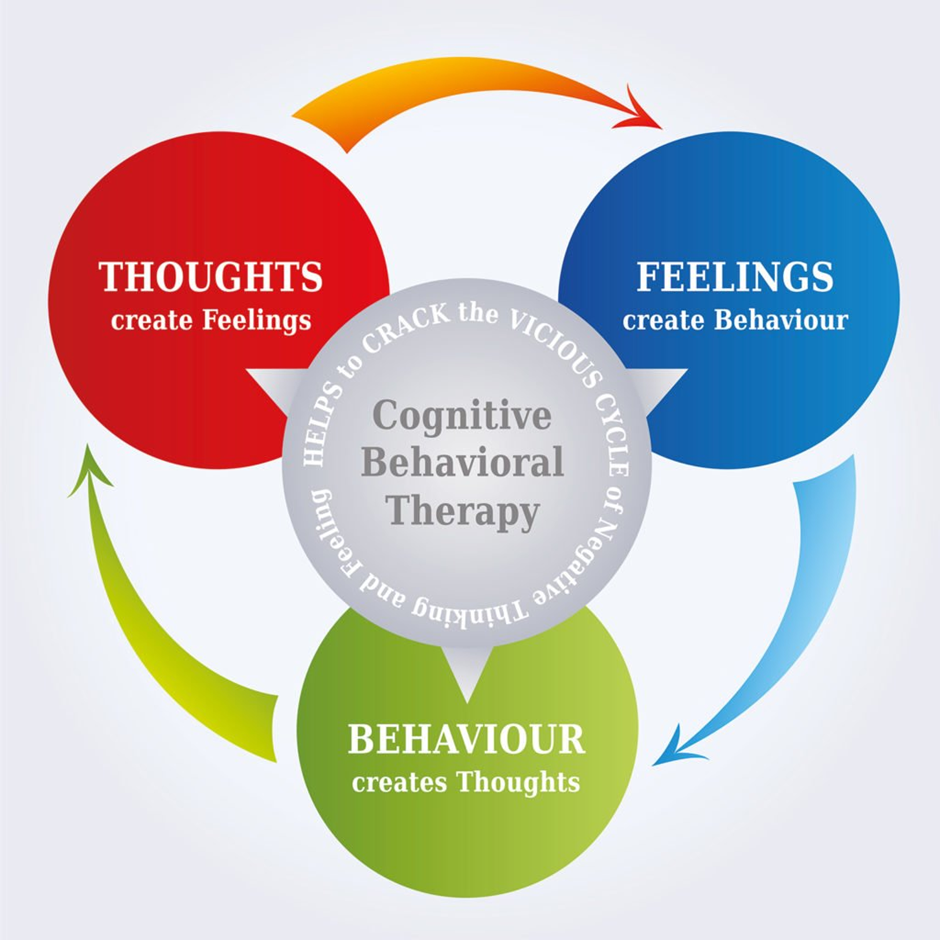
These thought-emotion-behaviour patterns reinforce themselves. The belief shapes how you act; the actions create experiences; those experiences then confirm the belief.
It can become a loop:
Something happens
The core belief interprets it negatively
You feel anxious, unworthy, or afraid
You behave in ways that protect you—but also reinforce the belief
This cycle can feel hard to break, but it can be changed with awareness and support.
3. Identifying Your Core Beliefs

Most people are not fully aware of their core beliefs because they feel like long-held truths. Identifying them takes curiosity, honesty, and patience.
Here are some questions that can help uncover them:
Ask yourself:
What thoughts repeat when I’m stressed or upset?
What fears show up in relationships or at work?
What criticisms do I direct at myself most often?
What do I believe about my worth, safety, or belonging?
How do I explain things when they go wrong?
What do I assume others think of me?
Look for themes:
Fear of abandonment
Fear of failure
Feeling inadequate
Lack of trust
Feeling undeserving
Feeling responsible for others
Fear of being judged or rejected
Journaling, self-reflection, and counselling can help bring these beliefs to the surface gently and safely.
Signs you’ve uncovered a core belief:
It feels emotionally “heavy” or familiar
It shows up repeatedly in your life
It influences your reactions strongly
It feels old—perhaps from childhood
Part of you knows it’s not completely true, yet it still impacts you
Identifying the belief is the first step toward changing it.
4. Challenging and Reframing Unhelpful Beliefs

The goal isn’t to erase core beliefs—they are part of being human. Instead, the aim is to understand, soften, and reshape the ones that no longer serve you.
Start by asking:
Is this belief absolutely, universally true?
Whose voice does this sound like? Mine—or someone else’s?
Where did this belief begin? A moment? A pattern? A message?
Does this belief reflect my life now or an old chapter?
What would a kinder or more balanced belief look like?
Examples of reframing:
“I’m not good enough.” → “I am learning, growing, and deserving of care.”
“People will always leave.” → “Some people may leave, but others stay and support me.”
“I have to be perfect.” → “I am allowed to be human and still be valued.”
“I can’t trust anyone.” → “I can choose who to trust based on my needs and boundaries.”
“I must do everything myself.” → “It’s safe to ask for help sometimes.”
Reframing is not about forcing positivity. It’s about building beliefs that are fair, realistic, and compassionate.
Small shifts create big change
At first, new beliefs may feel unfamiliar—almost unbelievable. Over time, with repetition and support, they begin to feel natural. You start responding differently, seeing relationships differently, and showing up in the world with more confidence and ease.
5. How Counselling Helps

Counselling provides a safe, non-judgmental space to explore the beliefs that shape your inner world—especially the ones that may be limiting your happiness, relationships, or confidence.
A counsellor can help you:
Trace where your core beliefs originated
Understand how they show up in your life now
Work through emotions attached to old experiences
Replace harsh inner narratives with compassionate ones
Build new patterns of thinking, behaving, and relating
Strengthen self-worth and personal boundaries
Develop tools to manage anxiety, uncertainty, or self-doubt
Why this matters
Core beliefs often begin in childhood, when we had little control over our circumstances. As adults, we finally have the power to update those beliefs—to rewrite the story in a way that honours who we are today.
Counselling makes this process easier, more supported, and far more effective. You don’t have to untangle complex internal patterns alone.
Rewriting the Story That Shapes Your Life

Your core beliefs shape the way you see yourself, others, and the world. When they are harsh or outdated, life can feel like an uphill battle—no matter how much you achieve or how hard you try.
But with awareness, compassion, and support, these beliefs can be re-examined and transformed. You can build a more grounded, realistic, and empowering inner story—one that supports confidence, emotional safety, and connection.
You are allowed to:
Grow beyond your old experiences
Challenge stories that were never yours to carry
Feel worthy, loved, and enough
Create relationships that reflect your true value
Step into the life you want with clarity and confidence
Change begins with understanding yourself more deeply.
Life Care Counselling Can Help
At Life Care Counselling, you are offered a compassionate, supportive, and personalised space to explore the beliefs shaping your life. Together, we can work through the patterns that no longer serve you, build emotional resilience, and help you create a more empowering inner narrative.
Whether you're struggling with self-esteem, anxiety, past experiences, or relationship patterns, you don’t have to do this alone.
Your story matters. Your growth matters. And you deserve to feel supported on your journey.
If you are struggling with your core beliefs book a complimentary 15 minute call with Life Care Counselling.


Comments