
Understanding Depression — Finding Light Through the Darkness
Updated: Dec 28, 2025
Depression is more than sadness. It can feel like a fog that drifts in slowly and settles over every part of life—your energy, your thoughts, your motivation, and the way you view yourself. It can make the world feel muted, heavy, or distant, even when nothing specific seems “wrong.”
But depression is not a sign of weakness, and it is not something you have to carry alone. With patience and support, people do recover. Light begins to return—not all at once, but gradually, in small but meaningful shifts.
This guide explores compassionate, practical ways to understand and begin moving through depression.
1. Recognising the Signs
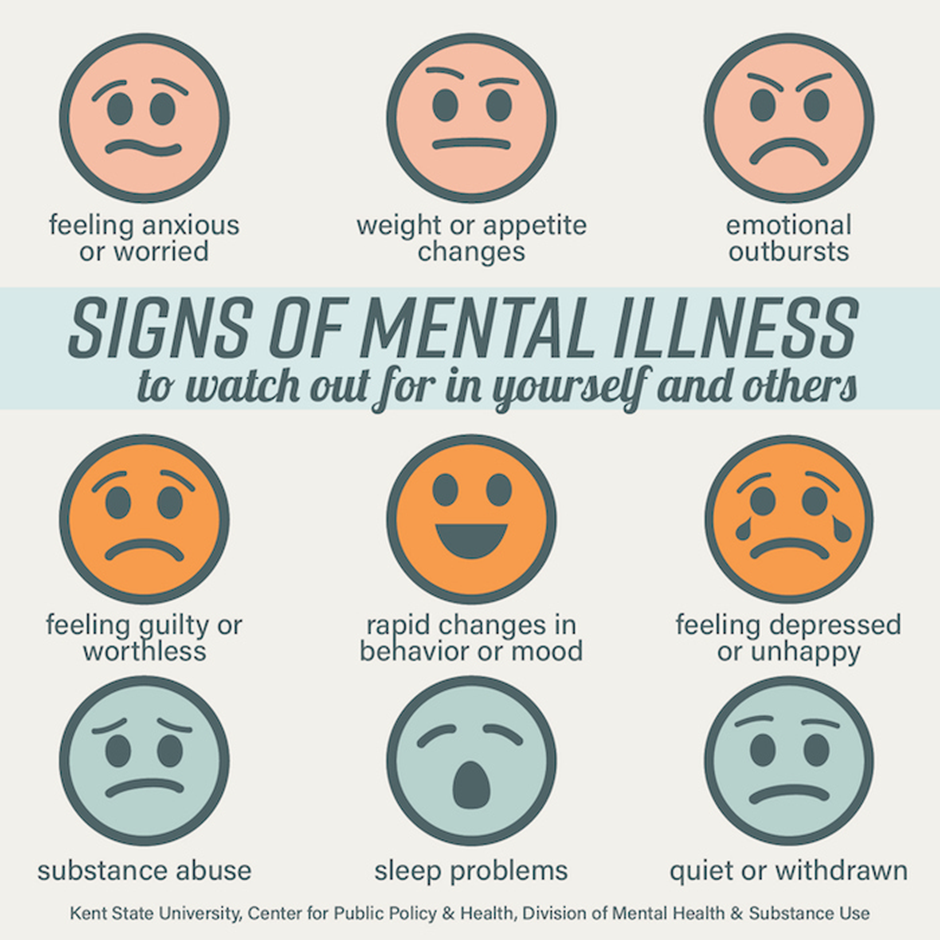

Depression shows up differently for everyone. Some people experience deep sadness, while others feel emotionally numb. Some withdraw, while others keep functioning on the outside but struggle internally.
Common signs include:
A persistent feeling of heaviness or sadness
Loss of interest in things that once felt meaningful
Feeling disconnected from yourself or others
Difficulty concentrating or remembering things
Feeling exhausted, even after resting
Changes in appetite or sleep
Irritability or restlessness
Feelings of guilt, worthlessness, or hopelessness
Recognising these signs isn’t about labelling yourself—it’s about gaining awareness. When you understand what you’re experiencing, you can begin taking steps toward support and healing.
2. Creating Gentle Daily Structure


Depression can make everyday tasks feel like mountains. Getting out of bed, preparing food, answering messages, these can feel overwhelming. Motivation doesn’t come first; action brings motivation back, slowly and gently.
Instead of large goals, focus on mini-steps:
Small, Supportive Actions
Sit up in bed for a few minutes before starting the day
Have a glass of water
Step outside for 30 seconds of fresh air
Take a warm shower
Make your bed, even loosely
Listen to calming or uplifting music
Prepare something simple to eat
Spend 5 minutes tidying a small area
These are not trivial. These small steps help rebuild a sense of capability and structure when everything feels heavy.
Why Structure Helps
Depression often disrupts the body’s natural rhythms—sleep cycles, energy, appetite, and motivation. Gentle structure reintroduces predictability and gives your brain something steady to lean on.
It’s not about accomplishing a long to-do list—it's about creating stability and moments of care throughout the day.
3. Be Kind to Yourself


Depression often brings a harsh inner critic. You may hear thoughts like:
“I should be coping better.”
“Everyone else seems to handle life fine.”
“I’m failing.”
These thoughts aren’t facts—they are symptoms of depression.
Self-Compassion Isn’t Self-Indulgent
Being kind to yourself doesn’t mean avoiding responsibility or ignoring challenges. It means treating yourself the way you would treat a friend who is hurting—with patience, softness, and understanding.
Try offering yourself:
Gentle reminders such as, “I’m struggling, but I’m trying.”
Permission to rest without guilt.
Acknowledgment of small efforts, even if they feel insignificant.
Healing isn’t linear. Some days will feel easier, others will feel much harder. Kindness makes the harder days more manageable and the lighter days more meaningful.
4. Connect With Others


Depression often encourages you to isolate, pull back, stay quiet, keep everything inside. But connection, even in small amounts, can be incredibly healing.
Ways to Connect Gently
Send a short message to someone you trust
Let a friend know you’re having a tough day
Spend time in a café or park around others, even if you don’t talk
Sit with someone while watching TV or sharing a simple activity
Accept help where you can—meals, company, or just a listening ear
Connection doesn’t have to be intense or emotionally deep every time. Sometimes just being near someone can soften the heavy feelings.
Why Connection Matters
Humans are wired for belonging. Isolation can deepen hopelessness, while moments of connection remind you:
You matter
You are not a burden
You don’t have to go through this alone
Even when depression makes reaching out feel impossible, tiny acts of connection are powerful steps forward.
5. Seek Support When You’re Ready

There is no “right time” to seek help. You can reach out in a moment of crisis, or simply when you feel stuck and want guidance.
Talking with a counsellor can offer:
A safe space to express what you’re carrying
Tools to understand your thoughts and emotions
Support in navigating life changes, triggers, or past experiences
Coping strategies tailored to your needs
A sense of clarity when everything feels confusing or overwhelming
Therapy is not about fixing you, it’s about supporting you through the dark places, helping you make sense of what you’re feeling, and guiding you toward renewed strength and hope.
You Deserve Support
Depression can convince you that your pain isn’t valid or that others have it worse. But your feelings matter. You deserve care, compassion, and support, just as much as anyone else.
Moving Toward Light, One Step at a Time
Depression can make the world feel dim and your future feel uncertain. But darkness is not permanent. With understanding, steady support, and small, intentional steps, light does return.
Healing often begins quietly:
A moment of connection
A small routine
A gentle thought
A conversation
A breath of fresh air
These moments may feel small, but they are the building blocks of recovery.
Remember, you don’t have to do this alone. Support is here, and hope is possible. One step at a time, you can move toward clarity, strength, and a renewed sense of self.
If you are suffering from depression book a complimentary 15 minute call with Life Care Counselling.


Comments